Distance from P410
~1 hour drive
Protection Status
Marine Conservation District
Best Snorkeling
May – October
Best Surf Watching
November – March
Worth Every Mile of the Drive
Maui's most protected bay
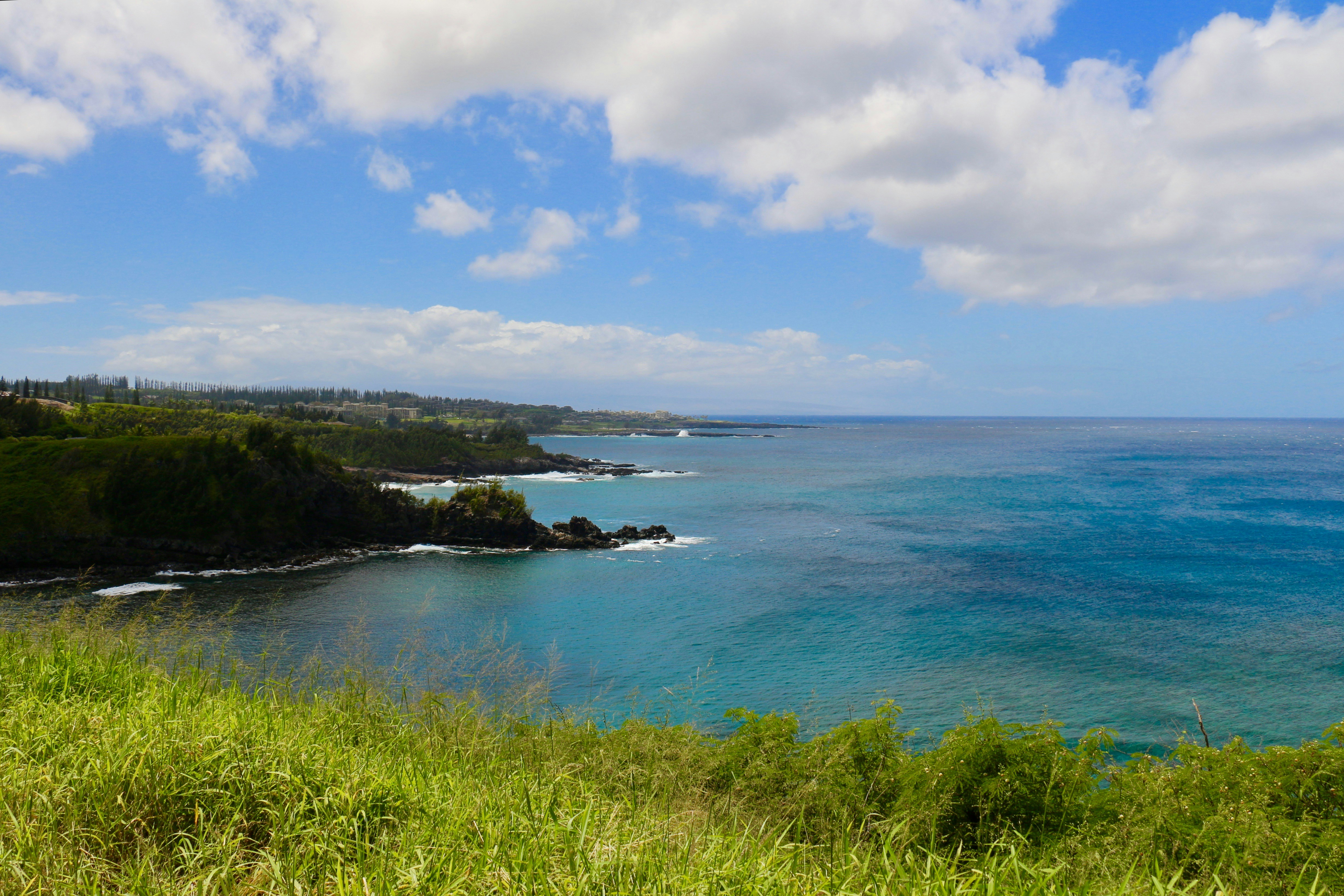
Honolua Bay sits in the northwest corner of Maui, tucked into the rugged coastline past Kapalua Resort. It's been a Marine Life Conservation District since 1978 — meaning no fishing, no anchoring, no spearfishing. Nearly five decades of protection have allowed the coral and fish populations to thrive in ways you simply won't see at beaches open to harvesting.
There's no sandy beach here. You park along the road, walk a short jungle trail through a canopy of kukui and hala trees, and emerge onto a rocky shoreline. Snorkel gear is non-negotiable — the entry is over lava. But once you're in the water, the reward is immediate.
Honest note from Andrew & Cindy: we haven't spent real time at Honolua ourselves yet, so this guide is careful research rather than personal experience — snorkelers who know Maui often rank it above Molokini on a calm summer day, and it's near the top of our own list.
Marine Life
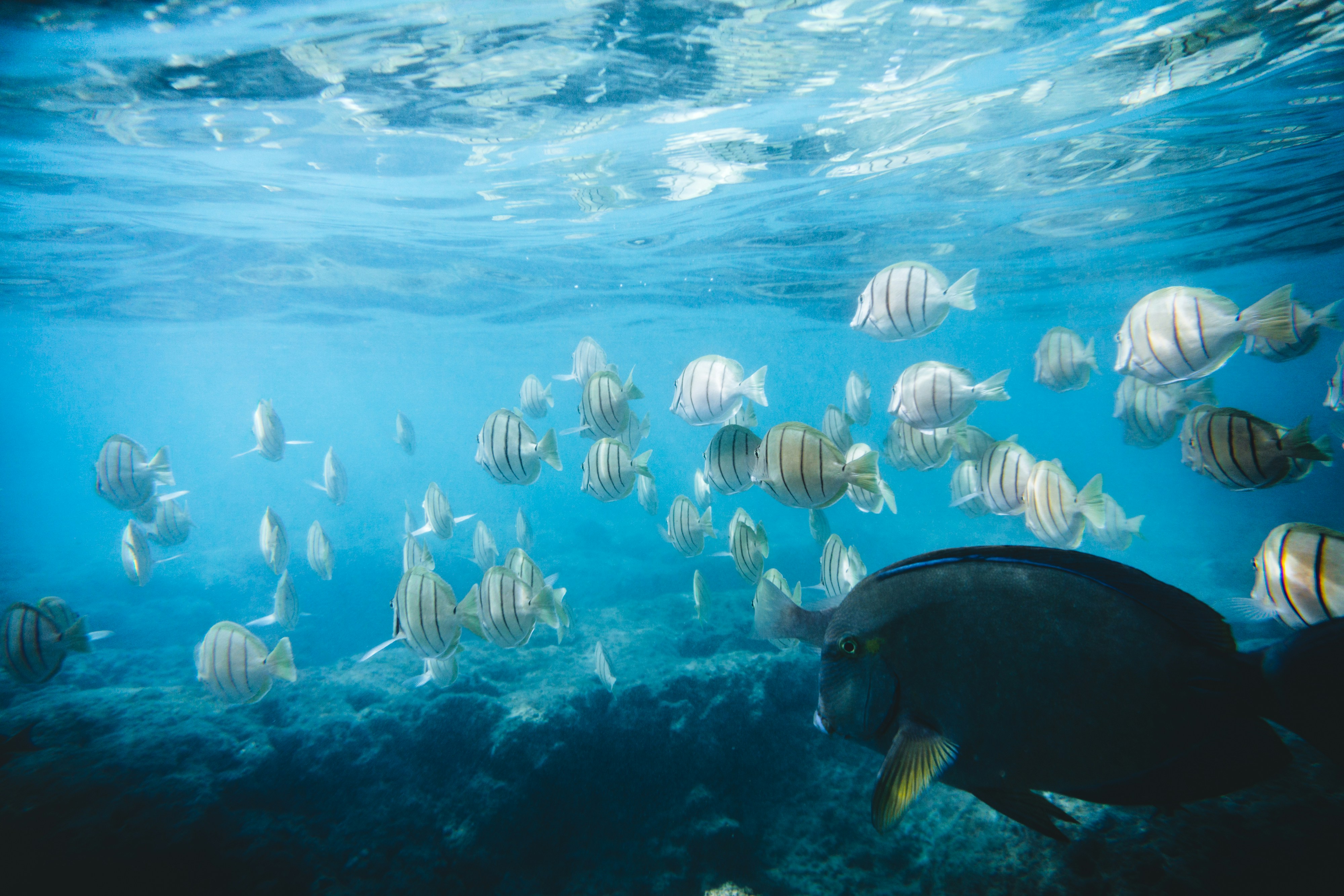
Coral gardens · sea turtles · spinner dolphins · manta rays (seasonal)
Entry Type
Rocky lava entry · fins and booties helpful · no sandy beach
May – October
Summer Snorkeling
When the North Pacific swells die down in late spring, Honolua Bay transforms into an almost perfectly calm snorkel lagoon. The water clears to exceptional visibility — 40 to 60 feet on a good day — and the coral formations in the center and sides of the bay come fully alive.
Look for Hawaii's state fish, the humuhumunukunukuapua'a, along the rocky sides. Green sea turtles graze the coral heads in the shallower sections near the edges. Occasionally spinner dolphins pass through the bay — an unforgettable experience if you're in the water when it happens.
Marine Life Conservation District
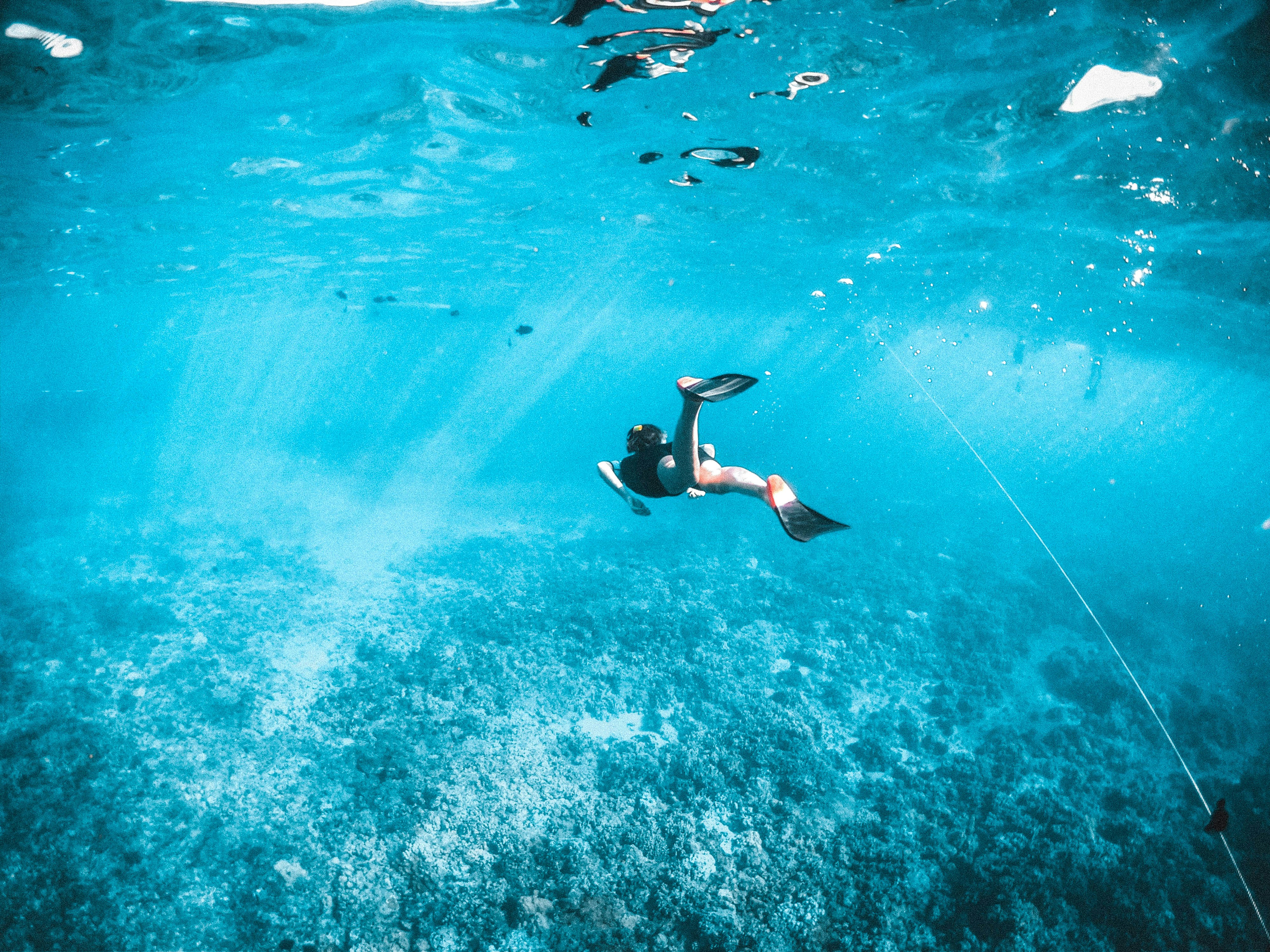
Honolua Bay has been protected since 1978. No fishing, no anchoring, no spearfishing — ever. Do not touch or stand on the coral. Do not chase or harass any marine life. This protection is exactly why the underwater world here is so vibrant — please help keep it that way for future visitors.
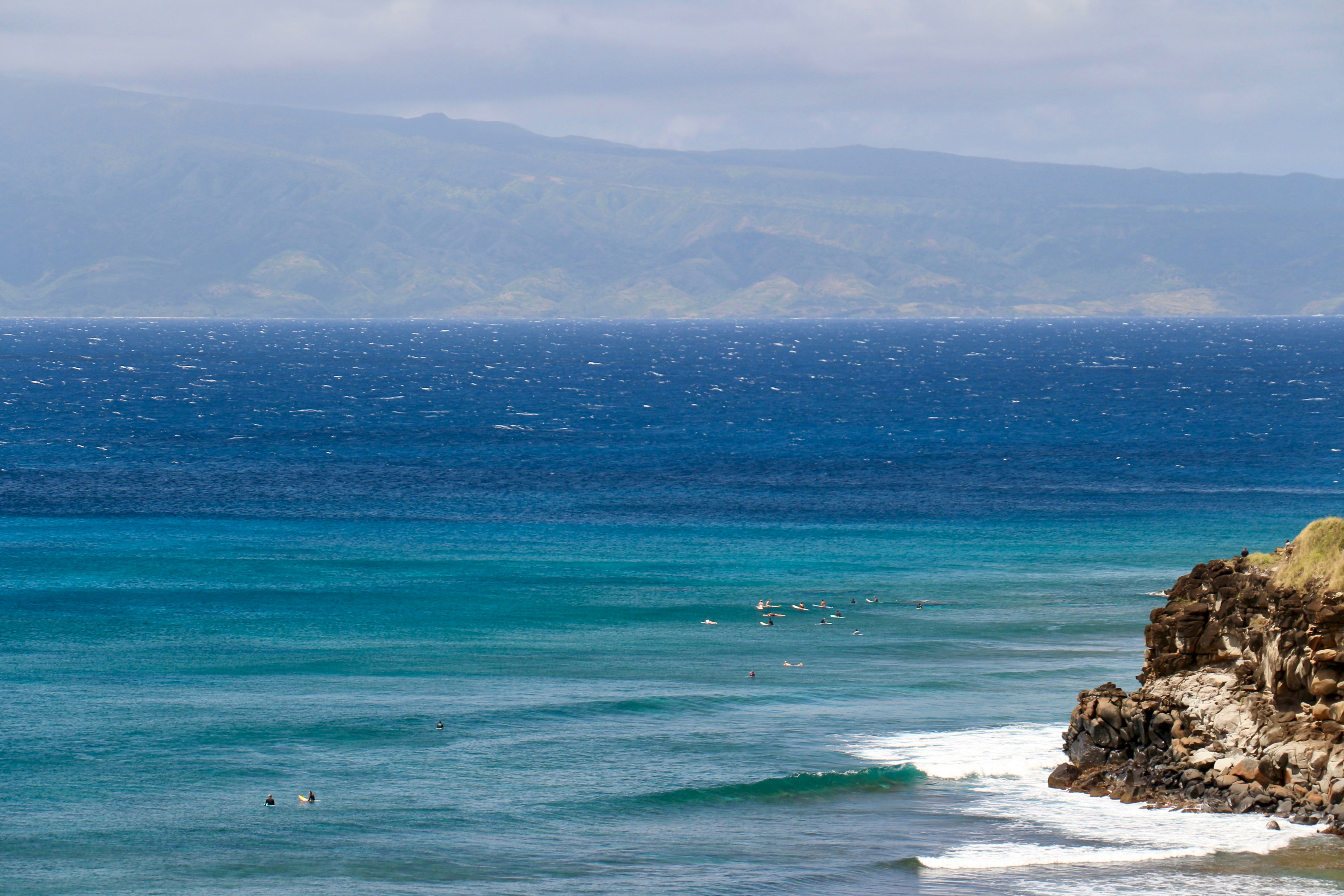
"Watch from the cliff above the bay — the view of the sets rolling in, with the jungle headland in the foreground, is one of the most dramatic surf spectacles in Hawaii." — Andrew
November – March
World-Class
Winter Surf
When North Pacific swells arrive in winter, Honolua Bay transforms completely. The same calm bay that holds crystalline snorkel water in summer becomes one of Hawaii's premier big-wave right-hand point breaks — long, powerful rides that peel down the entire length of the bay.
Honolua is considered one of the world's great surf breaks. Professional contests have been held here for decades, and on a good winter day you'll see some of the best surfers in the world competing for the waves.
You don't have to surf to enjoy it. The cliff above the bay offers a grandstand view — park on the highway, walk to the cliff edge, and watch. Local knowledge: when waves are running 8 feet or more, the crowd on the cliff rivals the lineup in the water.
Wave Type
Right-hand point break · long rides · heavy on big swells
Best Viewing Spot
Cliff above the bay · access via short walk from highway pullout
Part of the Experience
The Jungle Trail Down to the Bay
Honolua Bay has no developed beach access — and that's part of what makes it special. You park along the highway above the bay, then follow an unpaved trail through a dense canopy of trees down to the shoreline. The trail takes about 5–10 minutes and winds through genuine Hawaiian jungle: kukui nut trees, hala trees, ironwood, and tropical undergrowth.
The trail can be muddy after rain — wear shoes you're OK getting dirty, and bring a small bag for your gear. When you emerge at the rocky shoreline, the contrast between the jungle canopy and the open turquoise bay is genuinely stunning. First-timers often stop at the edge and just stare for a moment before suiting up.
Trail Essentials
Trail length
~5–10 min walk from highway parking
Footwear
Shoes for the trail; water shoes or fins for the lava entry
Conditions
Can be muddy after rain — expect it
No facilities
No restrooms, no showers — plan ahead
From Andrew & Cindy
Planning your Honolua day
Check conditions before you go
In winter, the bay may be too rough to snorkel — 4–6 foot surf makes it impassable and dangerous. In summer, any south or northwest swell can still stir it up. Check Surfline's Honolua Bay forecast before making the drive. On a glass-off day in June or July, it's worth every minute of the hour-long drive.
Rent snorkel gear in Kihei
P410 does not provide snorkel gear. Pick up a mask, snorkel, and fins from Boss Frog or Snorkel Bob's along South Kihei Road before heading out. Booties or water shoes are also a great call for the lava entry. Reserve online the night before to save time in the morning.
Combine with the drive north
Honolua Bay is just past Kapalua — pair it with a morning at Kapalua Bay Beach (calmer, sandy-entry snorkeling) and lunch at the Kapalua resort area on the way back. The drive up the West Maui coast on Honoapiilani Highway is itself scenic and worth slowing down for.
Logistics
Getting there from P410
Head north on South Kihei Road, then pick up North Kihei Road (Hwy 310) and follow it to Ma'alaea, where it meets Honoapiilani Highway (Hwy 30). Take Hwy 30 north through Lahaina and Kaanapali. Continue north past Napili and Kapalua — Honolua Bay appears on your left just past mile marker 32, around a long sweeping bend in the road.
Total distance: approximately 35 miles. Allow about an hour in normal conditions — more during Lahaina traffic. An early morning departure from Kihei avoids the congestion.
Parking
Park in the highway pullouts along Honoapiilani Hwy above the bay — look for other cars and the trailhead
Do not block driveways or private property — the area is residential and enforcement is active
Leave nothing visible in your car — theft from parked cars has occurred at remote trailheads
Your Maui Basecamp
Honolua Bay is a day trip from P410
South Kihei puts you within range of everything — from Big Beach 20 minutes south to Honolua Bay about an hour north. P410 is the central basecamp that makes all of it possible without long daily drives.